
 來自
來自 Alan McIvor 是一位「國際獵頭顧問」,他的工作內容,是協助企業媒合高階人才,並從中促進雙方的職涯與營運成長。
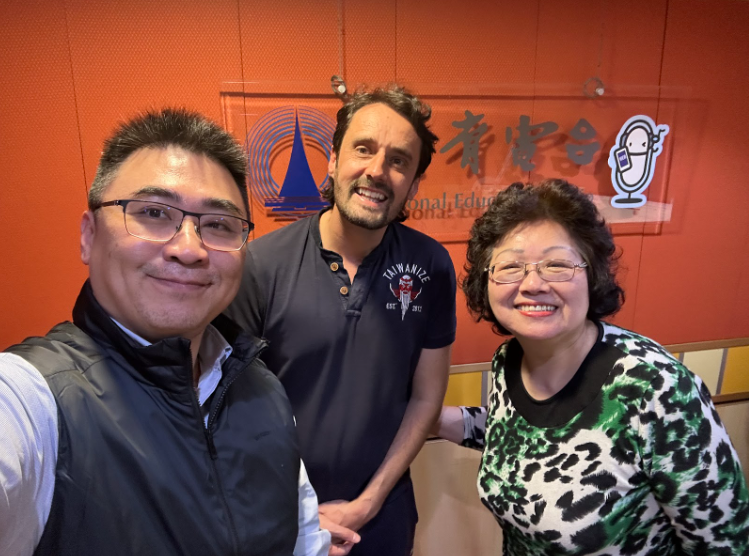
回想自己的工作經驗,他提到這個領域創造的價值是「協助企業找到真正需要的關鍵人才,也為高階人才媒合到改變人生的職涯機會」。
他提醒,社會對獵頭有誤解,常以為獵頭是「幫人找工作」,但實際上,獵頭的主要服務對象是企業,目的在於解決企業的人才痛點。
他補充,優秀的獵頭更像是職場中的諮詢顧問,不只是打電話約面談,而是深度理解產業與人,串聯需求與解方。
要從事這份工作,他認為需要的基本能力是外向、擅長與人互動、能迅速記住人與事的連結,也要能與不同背景的人建立信任關係。
而若要能持續做好這份工作,他則提到,要有強大的抗壓性與好勝心,並在不斷地挫折中,仍能維持對人與市場的熱情。
若想要了解這個領域,他推薦閱讀他的專欄文章,如《英籍獵頭在台灣,最真實的產業分享》。
而若要推薦一位該領域名人,他則推薦自己創立的公司與 LinkedIn 帳號,因為國際獵頭在台灣其實是小眾產業,從他的分享可以得到直接的觀察。
關於獵頭工作的成就感來源,他提到,是來自於成功促成企業與人才雙贏的那一刻,看到候選人因新職而蛻變,讓他感受到職涯影響的力量。
他也進一步解釋,很多人在人生轉捩點時會來找他,這份信任感與責任感,讓他從不鬆懈,也因此每個媒合都充滿挑戰與意義。
成為國際獵頭超過十年,他認為自己因此而開始鍛鍊出「接受不確定、擁抱挑戰」的能力,也培養了更敏銳的人才判斷力。
觀察獵頭產業的未來趨勢,他提到 AI 的出現確實對基礎人才搜尋有影響,但真正懂產業、會談判、能贏得高階人才信任的顧問,仍然無法被取代。
談到這個領域未來的趨勢,他說:「好的獵頭不是資料庫,而是信任網絡的中心。」
在學生時代時,他就是個不怕挑戰的人,當年爭取到獎學金赴加拿大求學,就是為了體驗不同文化的可能。
後來他來到台灣當英文老師,發現自己對教育工作無法產生共鳴,因此他決定前往上海轉職,並因緣際會進入獵頭產業。
回想成為獵頭顧問的過程,他說:「我是一個 Yes Man,對人生說 Yes,對機會說 Yes,才走到今天。」
他給對獵頭領域有興趣的學生們的建議是,從練習與陌生人對話開始,學習觀察企業人才需求,並培養說話的魅力與記憶力。
最後他想對老師說的是:「請鼓勵學生探索自己的天賦,不只是考高分,因為職涯的成功,往往取決於性格與熱情,而非分數。」
撰文者:Ryan,接棒啟蒙計畫創辦人

Global Headhunters: Navigators of Cross-Border Careers and Catalysts for Corporate Growth
By Ryan, Founder of the Baton Project
Alan McIvor is an international headhunter whose mission goes far beyond simply filling job vacancies. His work is centered on connecting top-tier talent with global enterprises, creating mutual growth opportunities for both professionals and businesses.
Reflecting on his experience, McIvor emphasizes the real value of the headhunting industry: “We help companies secure the critical talent they truly need, while enabling executives to discover career opportunities that can transform their lives.”
McIvor points out a common misconception: many believe headhunters exist to help people find jobs. In reality, their primary clients are companies facing strategic talent shortages. The headhunter’s role is to solve these gaps—often mission-critical to an organization’s growth.
He adds, “A good headhunter is more like a workplace consultant. It’s not just about setting up interviews—it’s about deeply understanding industries and people, and then connecting the dots between needs and solutions.”
To thrive in this career, McIvor believes certain core attributes are essential: being extroverted, building trust with people from diverse backgrounds, and quickly remembering complex interconnections between roles, industries, and individuals.
Beyond technical skills, long-term success demands resilience and a strong sense of drive. “You need the grit to handle pressure and the ambition to keep going—even when faced with constant setbacks—while maintaining passion for people and the market.”
For those curious about the field, McIvor recommends reading his column, which offers insights into the inner workings of executive search.
As for notable figures in the industry, he humbly suggests following his own LinkedIn and company page.
What brings him the most fulfillment? “It’s that moment when you create a win-win match. Seeing a candidate evolve and grow through a new role—that’s the power of career influence,” McIvor shares.
He adds that clients often come to him at critical life junctures. This trust, he says, brings great responsibility: “Every match is a challenge—and a meaningful one.”
Having worked in international headhunting for over a decade, McIvor credits the profession with shaping his mindset: “It taught me to embrace uncertainty and challenge, and sharpened my instincts for identifying talent.”
Looking ahead, he acknowledges that AI is transforming the basics of talent sourcing. However, the core of headhunting—industry insight, negotiation skills, and the ability to earn the trust of senior leaders—remains irreplaceable. “A great headhunter,” he says, “isn’t just a database. They are the center of a trust network.”
McIvor’s journey began in his student years when he won a scholarship to study in Canada, driven by a desire to experience diverse cultures. Later, he moved to Taiwan to teach English but felt disconnected from the education field. He then relocated to Shanghai and stumbled into headhunting—an unexpected yet life-defining shift.
“I’m a ‘Yes Man’—I say yes to life, yes to opportunities. That’s how I got here,” he reflects.
To students aspiring to enter this field, McIvor offers practical advice: “Start by learning to talk to strangers. Practice observing company hiring needs. Cultivate your communication charm and memory skills.”
His message to educators? “Encourage students to explore their unique talents—not just to chase high scores. Career success often depends more on personality and passion than academic performance.”
 接棒啟蒙計劃
發表留言